

The Nextlevel Blog logo
  • About 
  • Research 
  • Tags 
  • Blog 
  1.   Home
  1. Home
  2. Blog

Blog

How a Small Update Almost Deleted My Entire GPS History – And What I Learned From It

July 4, 2026 •12 min read • Homelab

How a Small Update Almost Deleted My Entire GPS History – And What I Learned From It
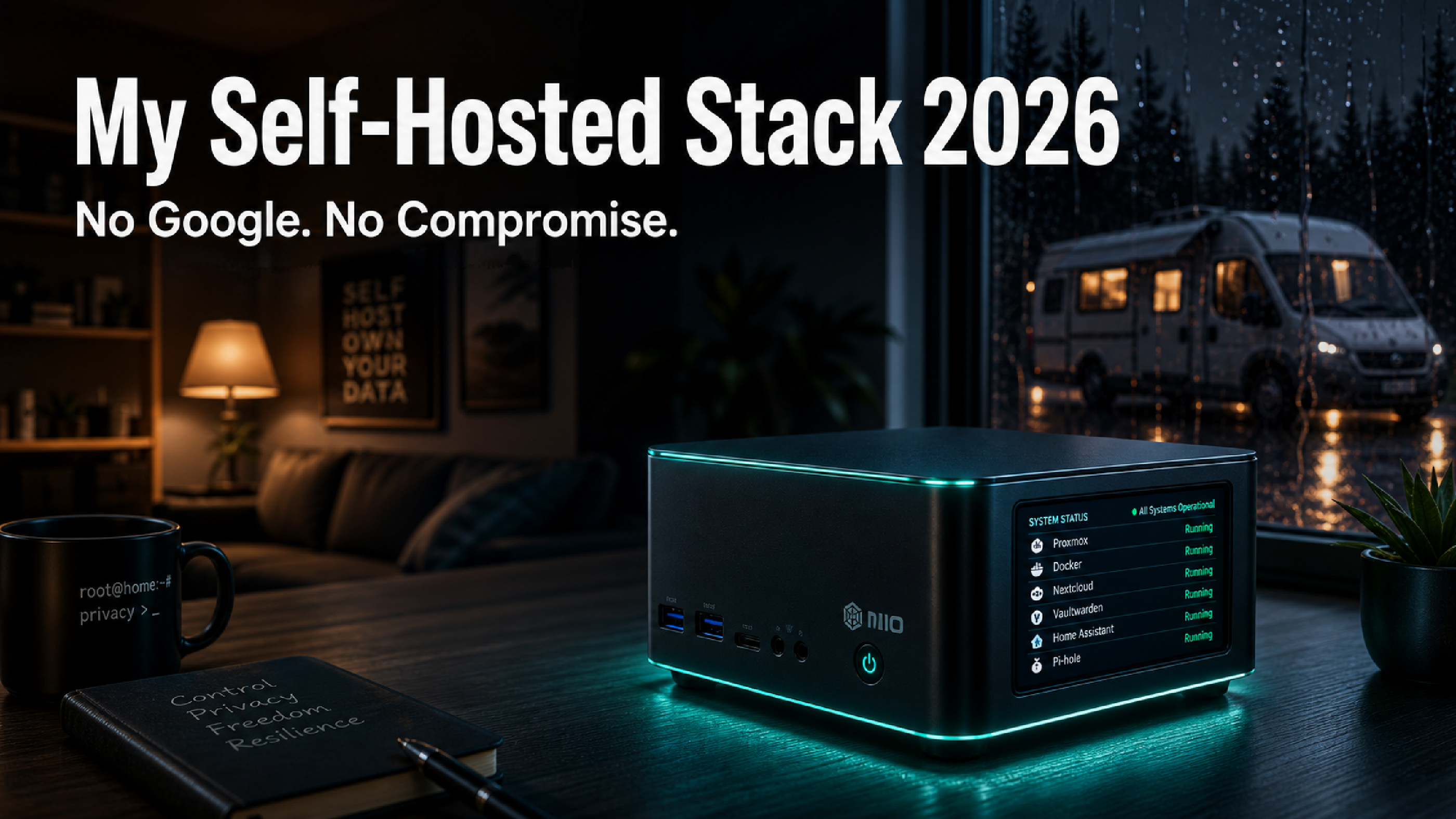
TL;DR A hidden TimescaleDB retention policy almost deleted four years of my self-hosted Traccar GPS history. The policy came from the database layer, not from the Traccar config I usually checked. I was able to restore my full history from backups, remove the retention jobs, and stop the silent cleanup. That incident pushed me away from file-level backup thinking and towards a Kubernetes-native PostgreSQL setup with CloudNativePG, Barman Cloud, MinIO, Longhorn, and GitOps. You do not need to copy my full stack to learn from this, but you should make sure your backups are real, restorable, and aligned with the data you actually care about. I’ve been living with self-hosted infrastructure for years: email, messaging, photo storage, home automation, and all the small services that quietly support everyday family life. ...


How My Family Safely Accesses Our Self-Hosted Cloud From Anywhere

June 23, 2026 •12 min read • Homelab

How My Family Safely Accesses Our Self-Hosted Cloud From Anywhere
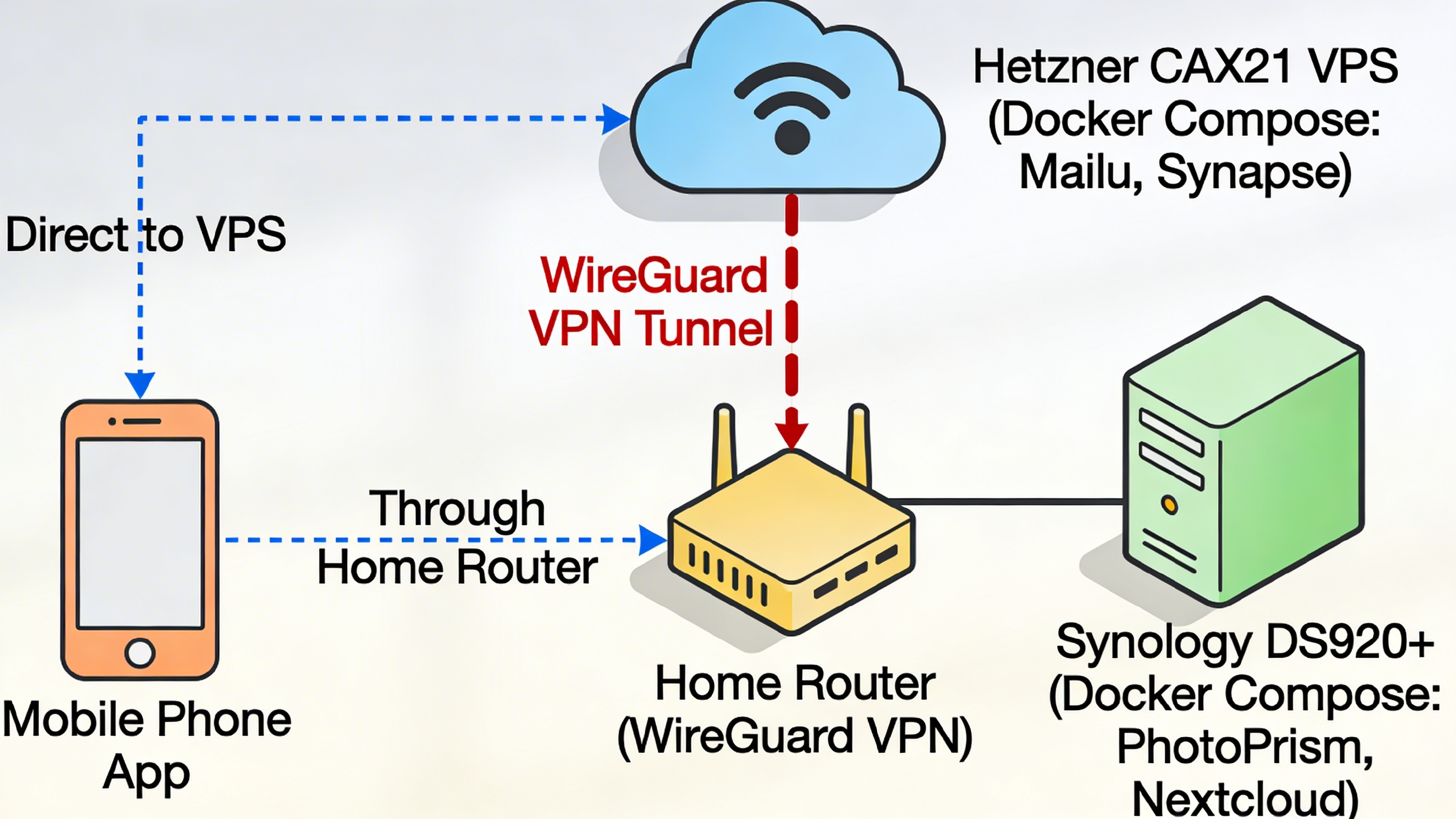
Self-hosting your family’s digital life can feel a bit like building a secret base in your living room. On the surface, it’s just laptops and phones. Underneath, it’s a quiet network of services, tunnels, and certificates that keeps everything running. ...


Your Family's Cloud, Your Rules: A Practical Self-Hosting Survival Guide

February 28, 2026 •13 min read • Homelab

Your Family's Cloud, Your Rules: A Practical Self-Hosting Survival Guide

A family's honest guide to self-hosting: what survived (Nextcloud, PhotoPrism, Matrix), what failed, and the real trade-offs of owning your data.


Efficient Research in Cybersecurity — How AI Tools Streamline CIS Hardening Analysis

June 27, 2025 •9 min read • Ai

Efficient Research in Cybersecurity — How AI Tools Streamline CIS Hardening Analysis

If you’ve ever tried to navigate the depths of CIS benchmarks or other security hardening guides, you know how tedious and fragmented the research process can be. Finding up-to-date, actionable recommendations for each specific setting often means juggling between official documentation, community forums, and best-practice blogs. But there’s a game-changer: AI tools that make research, analysis, and documentation in cybersecurity dramatically more efficient and reliable. ...


Embracing Agile to Foster Self-Organization in Cybersecurity Teams

February 11, 2025 •9 min read • Agile

Embracing Agile to Foster Self-Organization in Cybersecurity Teams

In the ever-evolving and high-stakes world of cybersecurity, being agile isn’t just a buzzword—it’s a survival skill. Cyber threats evolve rapidly, requiring teams to adapt and respond just as fast. Traditional project management methodologies, with their rigid structures and slow-moving processes, often fall short in meeting these dynamic needs. Enter Agile, a framework initially designed for software development but one that holds immense promise for non-software teams—cybersecurity teams included. ...


How I Moved My Synology DS920+ VM to an External SSD (And Survived to Tell the Tale)

February 9, 2025 •4 min read • Vm

How I Moved My Synology DS920+ VM to an External SSD (And Survived to Tell the Tale)

A journey of SSH commands, coffee-fueled debugging, and one surprisingly cooperative USB drive The Backstory: Why Bother? Picture this: It’s 11 PM. I’m staring at my Synology DS920+, its four drive bays humming softly like a contented cat. But there’s a problem—my beloved Ubuntu VM is gasping for storage space, trapped on the NAS’s internal volume. I could shuffle drives, but that feels like performing open-heart surgery on my data hoard. Then I spot it: a lonely USB 3.0 port. ...


Dockerizing Fabric - A Comprehensive AI Augmentation Setup

February 6, 2025 •5 min read • Ai

Dockerizing Fabric - A Comprehensive AI Augmentation Setup

Fabric is an open-source AI framework by Daniel Miessler that enables granular AI integration into daily workflows through CLI commands, patterns, and customizable prompts[1][4]. This guide demonstrates how to containerize Fabric with Docker for simplified deployment. ...


Hosting Matomo with Docker Compose: A Step-by-Step Guide

May 30, 2024 •4 min read • Selfhosted

Hosting Matomo with Docker Compose: A Step-by-Step Guide

In this tutorial, we will walk you through the process of setting up Matomo, an open-source web analytics platform, using Docker Compose. This setup will include a MariaDB database, the Matomo application, and an Nginx web server to serve as a reverse proxy. ...


Hosting Home Assistant with Docker Compose: A Step-by-Step Guide

May 29, 2024 •5 min read • Selfhosted

Hosting Home Assistant with Docker Compose: A Step-by-Step Guide

Home Assistant is an open-source home automation platform that focuses on privacy and local control. It allows you to control all your smart devices from a single interface, automate tasks, and integrate with various services. Hosting Home Assistant yourself can provide greater control over your home automation setup, enhanced privacy, and the ability to customize the system to your needs. ...


VPNs: When to use a Virtual Private Network

February 5, 2021 •3 min read • Cybersecurity

VPNs: When to use a Virtual Private Network

A Virtual Private Network (VPN) secures your own device from other devices on the same local network. This is done by encrypting all traffic which leaves your machine. After that, only a chosen trusted third party machine can decrypt the traffic again. This machine will usually be hosted by either a service provider or eg. the IT department of your company. In this post, I give you some thoughts about when to use a virtual private network and when you are probably better of not using one. ...

  • 1
  • 2
  • 3
Nextlevel v/Peter Schneider

I work on everything cyber security and development, CVR: 42051993, mail: info@nextlevel-blog.de, phone: 60 59 76 35

Copyright © 2025 Peter Schneider. | Powered by Hinode.
The Nextlevel Blog
Code copied to clipboard